

Hi, I’m Charles Williams from Go Local Roofing, and I’ve seen some impressive changes in the roofing industry over the years. One of the biggest advancements that’s truly transformed the way I conduct inspections is the use of drones. Traditionally, roof inspections required climbing onto the roof, which wasn’t always safe—especially when dealing with damage that could make the roof unstable. With drone technology, I’m now able to offer inspections that are faster, safer, and even more detailed than ever before.
In this post, I’ll share my own experience with drone roof inspections, why I believe they’re the best way to assess roof damage, and how they’re benefiting both homeowners and roofing professionals alike.
Why I Use Drones for Roof Inspections
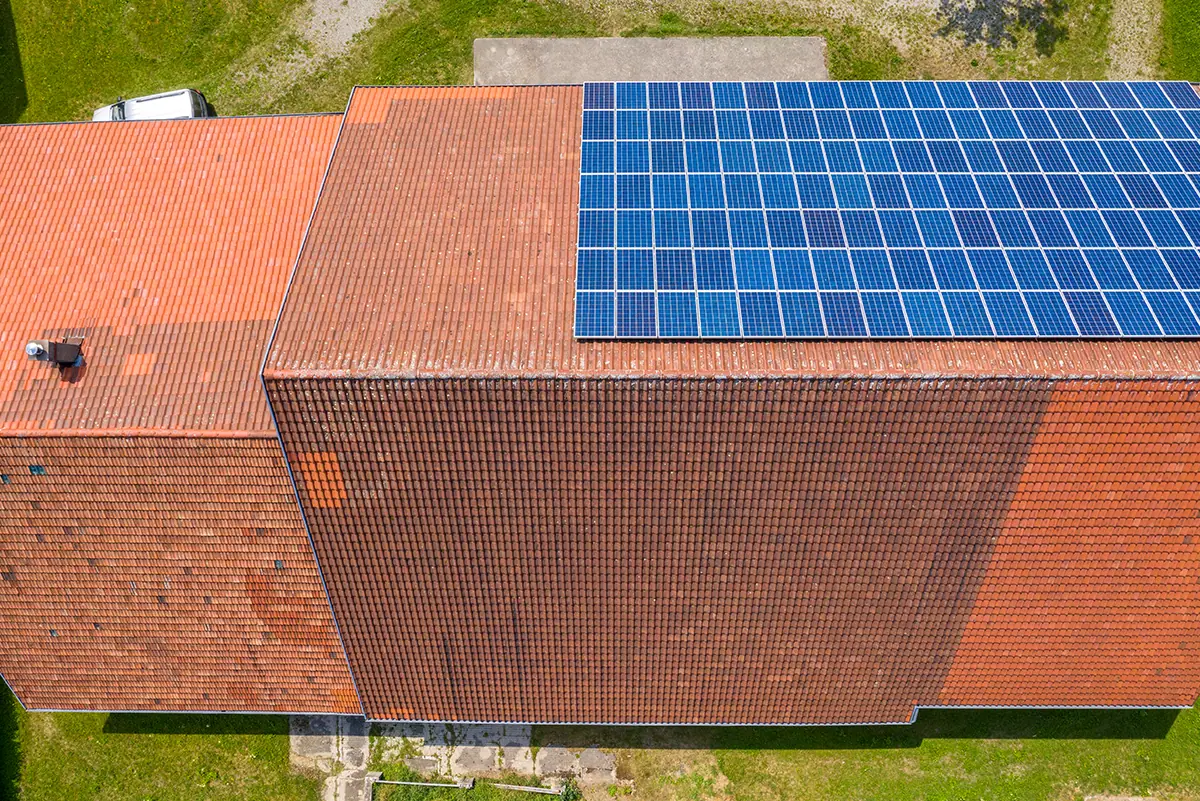
Drones, or unmanned aerial vehicles (UAVs), have really changed the way I approach roof inspections. With high-resolution cameras and sensors, these drones can capture detailed images and data, even from those hard-to-reach angles that would otherwise require some risky climbing. Here’s why I’ve come to rely on them so heavily for my roof inspections:
1. Enhanced Safety
One of the biggest reasons I’m a fan of drone inspections is the safety factor. Climbing up onto a roof can be dangerous, especially when you’re dealing with steep or slippery surfaces, or roofs that have suffered damage. I can now keep both myself and my team safely on the ground while still getting a clear, up-close look at the roof. This way, I can avoid unnecessary risk while still doing a thorough job.
2. Comprehensive and Accurate Data
Drones are equipped with high-definition cameras, and I even use models with thermal imaging capabilities for certain jobs. The level of detail they capture is incredible, and I’m often able to spot issues like cracked tiles, loose shingles, or drainage problems that might not be visible from ground level. For example, thermal imaging can highlight areas where there might be heat loss or moisture buildup—key signs of leaks or insulation problems.
This data helps me make accurate assessments and offer better recommendations to my clients. When I can see exactly what’s going on, it’s easier to plan effective repairs or replacements without any guesswork.
3. Time Efficiency
In my line of work, time is always valuable, both for me and my clients. Traditional roof inspections can take a lot of time—especially if it’s a larger or more complex roof. With drones, I can inspect the entire roof much faster. It’s a more efficient process, and that means less disruption for homeowners, too. Instead of spending hours setting up and moving safety equipment, I can have the inspection done quickly and move straight on to discussing solutions.
4. Cost-Effectiveness
Drone inspections have also been a cost-saver, both for me and my clients. Since there’s no need for ladders, harnesses, or other expensive safety equipment, I can save on these costs and pass that savings on. Plus, because the inspection is faster, I can conduct more surveys in less time, which makes the entire process more affordable for homeowners.
5. Detailed Documentation
One thing I always make sure to do for clients is provide a detailed report of their roof’s condition. With drones, I can capture high-quality images and videos, creating a thorough record of the roof’s state. This documentation is especially useful when it comes to insurance claims or just keeping track of roof maintenance.
Homeowners have told me they appreciate having this kind of visual proof to help them understand what’s going on with their roof, and it also gives me a great way to show exactly what needs attention.
How Drone Roof Inspections Work in My Process
Curious about how I carry out a drone roof inspection? Here’s a look at my typical approach:
1. Planning the Inspection
Before I launch the drone, I take time to understand any specific concerns the homeowner has. Knowing where to focus my inspection allows me to plan an effective flight path so that I don’t miss any areas of interest.
2. Flying the Drone
Once the inspection area is set, I launch the drone and carefully navigate it over the roof. With experience, I’ve gotten used to maneuvering it to capture images from multiple angles, ensuring no detail is missed. I can see the footage in real-time, which helps me adjust the drone’s position if I need close-ups or additional images of specific spots.
3. Data Analysis
After I’ve finished capturing footage, I go through all the images and videos back at the office. I examine them for signs of any damage, whether it’s missing shingles, cracks, or areas of moisture buildup. For roofs with insulation issues, thermal imaging has been especially helpful, as I can detect problem spots where heat or moisture may be escaping.
4. Providing a Report
Once I’ve analyzed all the data, I put together a report with the findings. This includes high-quality images, videos, and notes on any areas of concern. I then sit down with the homeowner to go over everything, explaining what’s going on with the roof and making recommendations for repairs or preventive measures.
When a Drone Inspection is the Best Solution
Drone inspections work well for nearly any roof, but they’re especially useful in certain cases:
- After Severe Weather: I can quickly assess any storm damage, giving homeowners peace of mind after heavy rain, wind, or hail.
- High or Complex Roofs: If a house has multiple stories or a steep roof design, drones make it much easier to inspect these areas safely.
- Insurance Claims: Documenting damage for insurance purposes is simpler with clear drone footage, which can help with faster claim approvals.
- Routine Maintenance: Regular inspections help spot issues early, saving homeowners the expense of larger repairs down the line.
When a Hands-On Inspection is Needed
Although I rely on drones for a lot of inspections, there are times when I’ll recommend a hands-on approach. For example, if I suspect an issue within the roof’s structure or in the attic, I’ll advise a physical inspection as well. Drones can be a great first step in finding surface issues, and if needed, a follow-up inspection can address anything more detailed.
Book Your Drone Roof Inspection with Go Local Roofing
If you’re concerned about the condition of your roof, a drone inspection can provide the answers without any risk or hassle. At Go Local Roofing, we offer professional drone inspections to give you a clear picture of your roof’s state. This way, I can help you catch small problems before they turn into bigger, costlier repairs.
Ready for a safe, efficient, and thorough roof inspection? Click here to learn more about my Surrey drone roof inspection services and schedule your inspection today.
